Showing posts with label stretching the emotional body. Show all posts

Thursday, June 1, 2017

Notes on From the Ground Up


Emotional pain and physical challenges can be embedded in our feet


Look at the soles of your shoes and see how they are worn. 


Feet can show the origin of our pain.


Tadasana/Samastithi is foundational yoga pose.  It teaches us to be fully upright, connected to the ground and yet reaching out and up toward the sky.


By plugging down the front of the heel, the root of the little toe and the root of the big toe we create a triangular base that vaults the inner arch of the foot upward.


The back of the body holds much of our personal history, we store past stress and anxiety behind us (out of sight out of mind) thus we end up with a tension filled back body (calves, hamstrings, back, shoulders, neck . . .) Soles of the feet are the beginning of the back body


Prasarita Padottanasana – elongates and gradually breaks apart accumulated tension in the back 
body


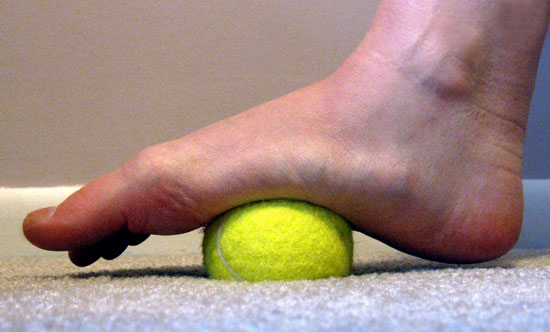
Working with a Tennis ball is a good way to stretch the feet.


Almost every yoga poses involves the feet so it is important be aware of the feet while you are practicing yoga

Thursday, March 30, 2017

Reflections on Chapter 2 in BODYMIND by Ken Dychtwald

BODYMIND was written in 1977 but for me it seems as it could have been written yesterday.  There is so much information that I have been trying to piece together from many sources that is presented here and a comprehensive and compelling way.


Although all of the book was extremely interesting to me.  I was especially interested in the major MINDBODY splits.  I have been talking for years about the left right split but Ken Dychtwald showed me that was only one possibility.  I feel very excited by this new information.

For Mr. Dychtwald the front/back split separates the private and unconscious self at the back with the more public social self at the front.


Our unwanted and negative emotions get stored in the back of the body and the back becomes weak because it is toring emotions like anger and fear
In our body is a house the front is like the living room in the house and the back is like the attic or basement.  I had never considered this type of split before but it makes a lot of sense to me.  It is a good answer to why it is hard to work with people with back problems and why many back problems are considered psychosomatic and don't register on an xray or can.

The another split that Dychtwald mentions in BODYMIND that I had never considered before is the
Top/Bottom Split.


 I have often seen these people with very big bottoms and small tops are small tops and big bottoms and I have wondered how did the body create such and imbalance.  Dychtwald suggests that the bottom part of our body is stabilizing . moving and balancing.  In contrast, the top half is seeing, hearing, speaking thinking, expressing, stroking, hitting and holding, communication and breathing. We show out dominant characteristics by how our body shapes or our shapes effect our dominant characteristics.

Another split I was introduced to was the Torso/Limbs Split.

 I have seen these type of people skiny arms and legs and a developed torse and also the reverse. Dychtwald explains that the torso is the core and the limbs allow us to reach out and expand ourselves past our self contained restrictions and limits imposed by our torsos.  We says that weak limbs represent bottled up feelings while over developed limbs forecast a person who is a do-er and/or be-er.

The Right/Left split is the one I am most familiar with.


The Left is the feminine side of the body and the Right is  masculine.  This presents itself in injuires, flexibility or lack their of  and we can also see this imblance when people are expressing themselves by crying or  talking with their hands

The head/body split is one I feel a lot in my father's side of the family.


 The are hyper intellectuals who don't care for their body's.  The either are very obese or under developed and weak.  The body seems to be an after thought to them not connected, more like a purse to carry or luggage.  Ken Dychtwald  explains that the head and face are our most social aspects. They are the mask that we present to the world.  The body below the neck is our private self which is mostly covered with clothing.  Many people put more attention on their face and their intellect than their bodies. He says the body is the emotional, animal and less creative self and this reflects in the splits of body/mind, intellect/feelings and reason/intuition.

I loved that book. Sometimes I got tired on Ken Dychtwald talking about how attractive woman after woman in his encounter groups were.  He might have a three way split which a lot of men I know have penis/head/body.  I will add that split to his list.

Thursday, October 13, 2016

Hatha Yoga for Transforming Sadness into Courage, Right Action and Letting Go

Theme: Transforming Sadness/Depression into Courage, Right Action and Letting Go based on work by Mantak Chia and other sources.


Intention: Exploration of where sadness is blocked or trapped in the body and begin to release and transform it.

Sadness and Depression are found in the 3rd and 4th Chakras. In Traditional Chinese Medicine they are said to live in the lungs and Large Intestines. The Energy of Sadness is: Soft and Cold to the Touch. Sadness is found in  neurotransmitters in our brain.  The physiology of sadness is an absence of dopamine, serotonin and phenylethylamine.

We usually translate the word Karuna as compassion but it originally means sadness.  It is the sadness we feel when we need to let go of attachments. There is a practice called Karuna Sadhana.  Mastering Karuna means changing sadness to compassion.  Most people are so self-absorbed the do not understand that others problems are the same as their own.

Sadness is related to the water element.  It is seen in our tears.  The deity of sadness is Varuna the lord of the water. He is the keeper of the laws of dharma and his palace is a Submerged Mountain.

The moon influences the water element. The descending moon cycle is related to sadness.  The ascending moon cycle is related to Joy and Excitement

Concentrating on Love, Joy and Humor are powerful ways to release and remove sadness.

3 AWARENESS EXERCISE

For the Body Awareness Exercise I will use Mantak’s Healing Sound Practice for Transformation of Sadness into Courage
Healing sound: Ssssssssssssssssssss

FROM A COMFORTABLE SEATED POSITION

Close your eyes and put your hands on your rib cage.  Inhale slowly through your nose. Notice in you feel any sadness, depression, constriction or other physical imbalances in your lungs.  If you do ask them if they have a message for you.

1. Become aware of your lungs. Take a deep breath and, letting your eyes follow, raise the arms up in front of you. When the hands are at eye level, begin to rotate the palms and bring them up above the head. Keep the elbows rounded. You should feel a stretch that extends from the heels of the palms, along the forearms, over the elbows, along the upper arms and into the shoulders. The lungs and chest will feel open and breathing will be easier. Draw the corners of the mouth back, exhale, making the sound "Ssssssss", sub-vocally, slowly and evenly in one breath.

2. As you exhale, empty all feelings of sadness, sorrow and grief from your lungs.

3. When you have exhaled completely (without straining), rotate the palms down, close the eyes, and breathe in to the lungs to strengthen them. If you are color oriented, imagine a pure white light and quality of righteousness entering into your lungs. Float the arms down by gently lowering the shoulders. Slowly lower them to your lap so that they rest there, palms up.

4. Close the eyes, breathe normally, smile down to the lungs, be aware of the lungs, and imagine that you are still making the sound. Pay attention to any sensations you may feel. Try to feel the exchange of cool, fresh energy replacing hot, dark waste energy.

4. SHARING
Break into pairs and talk about your experience using active listen. 90 seconds per person.

5. MUDRA/AFFIRMATION
Pranidhana Mudra
"As I learn to let go, I naturally live with right action and courage"


6. WARM UP
tapping on lung 1 - Middle Palace
Joint Freeing Series Standing Variation
Flapping Wings
Pranayama: Breath of Joy
Qi Gong Flow for Metal

7. ASANA

SURYA NAMASKAR with Mantras
HALF MOON with HANDS TO FEET POSE
WARRIOR 2
TRIANGLE and TWISTING TRIANGLE
STAR POSE to GODDESS POSE WITH HA BREATH
STANDING SEPARATE LEG STRETCHING
STORK
DYING BUG SIT UPS
BOAT
PLANK - FOREARM PLANK - DOLPHIN
COBRA to FULL LOCUST
HALF TORTOISE/CHILD’S POSE
CAMEL
RABBIT
LATERAL DRAGONFLY
SPINAL TWIST
SAVASANA

8. YOGA NIDRA

Repeat Healing Sound Practice in Savasana

Lying in Savasana Close your eyes and put your hands on your rib cage
Once again get in touch with your lungs and large intestines the place where sadness and depression reside.

Notice if you feel any sadness, depression, constriction or other physical imbalance in your lungs.  If you do ask for a message of this feeling.  The answer may not come immediately or at some other time.  When you know the message, let it’s wisdom guide you.
Inhale deeply through your nose as you slowly move your hands a few inches away from your chest, turn your palms up and raise your arms over your head

Bring your arms over your head and rotate them to face the wall. Hold them 6 inches apart. Gently press away from you with the heels of the palms

Feel a stretch from your palms to your elbows to your shoulders to the area of your lungs

Inhale and exhale slowly making SUBVOCALLY the sound SSSSSSSSSSSSSSSSSSSS. Exhale completely and Visualize any sadness, depression, constriction or imbalance leaving your mouth like a cloudy gray substance going into the earth to be transformed.

Breath normally now, and rotate your palms down and release your shoulders and let your hands slowly float back to cover your lungs

 Smile inwardly and outwardly, to your lungs and large intestine, feeling gratedul for the work the do in respiration and elimination. Then, still smiling, with every breath imagine you are breathing into these organs a brilliant white light.  Do this for several breaths.

Sense your lungs and large intestines are larger, softer and moister and spongier. Sadness, depression, constriction or imbalance have been released. Courage, right action and letting go have been increased

Roll over to a SITTING POSITION

9. MEDITATION
Hansi Mudra

“An inner smile radiates through out my being, awakening all my essential positive qualities.”

10 CLOSING
Each participant gives one word to encapsulate their experience
 

Yin Practice for Transforming Sadness in Courage, Right Action and Letting Go

YOGA NIDRA – SADNESS AND DEPRESSION

1. EASY POSE
Sit in Easy pose

The theme of this class is Transforming Sadness into Courage, Right Action and Letting Go
- Sadness is a soft emotional energy that is created in the lungs dwells close to the heart
- It’s spongey soft and slightly cold to the touch
- Sadness Can also be found it the latissimus muscle near the shoulder blade
- 3rd and 4th chakra
- sadness has been described as yellow
- With sadness you feel heart

sinking and you won’t be able to raise it

Benefits of Easy Pose:
Calms the brain
Strengthens the back
Stretches the knees and ankles


MUDRA for COURAGE 
- ABHAYA


MUDRA for RIGHT ACTION
- Shivalingham mudra


MUDRA FOR LETTING GO
- Pranidhana


Open the fingers and interlace them at the middle digits with the left
Place Vajrapradama mudra in front of the heart and begin to watch the rise and fall of the breath

FORWARD FOLD in Easy Pose


Vajrapradama means “unshakable trust and confidence.  The mudra is helpful for treating depression, releasing constriction in the chest, ribs and upper back, enhancing self-trust and confidence, increasing energy and enthusiasm, and enhancing sensitivity in the qualities of the heart.


SWITCH FORWARD FOLD OTHER LEG IN FRONT

BACK TO EASY POSE

MANTAK CHIA EXERCISE FOR TRANSFORMING SADNESS


Sadness and Depression are stored in the lungs. The lung sound transforms sadness and depression into courage, letting go and right action.
Eyes closed
Place hands on rib cage.
Sense any sadness depression, construction or imbalance in the lungs.
Ask for a message from the lungs.
Eyes open
Inhale deeply through the nose as your raise your palms, a few inches out from the body and over the head. Rotate palms up and leave about 6 inches between them.
Head back and elbows bent, Feel stretch from palms to lung area
Lung sound: Place your tongue behind your closed teeth and, with a long slow exhalation, make the lung sound "SSSSSSSSSSSSSSSSS" (like the sound of steam from a radiator).
Releasing sadness and depression
Change cross of legs after 3 times
Repeat six times


Return your hands to the lungs and smile to your lungs. Imagine a white light shining upon your lungs, surrounding them.
At the end sense that the lungs are softer, moister, spongier
Courage, right action and letting go have be increased
Let go of any lingering sadness or depression by with the eyes closed-looking left and looking right . . .

2. FORWARD FOLD IN BUTTERFLY

Begin By Tapping on Lung 1 (Middle Palace)
- Cleanses grief and emotions, opens chest and lungs, releases upper body tension, benefits all lungs and lung meridian disorders
- Breath deeply, focusing on the release of the breath to let go of stress, emotions, and all the energy that is not serving you highest essence of sense


Flap the legs to bring lightness to the body

The Sanskrit name for this pose is Baddha Konasana – Baddha refers to the quality of steadiness and Kona is the sacred space for Yoga practice.  “This asana cultivates the safety in which the yogi can relax into the sacred space of transformation, discovering a source of inner nourishment.” – Joseph La Page

Benefits:
- tones the pelvic floor and abdomen
- releases tension from the hips
- optimizes the digestive, eliminatory, urinary and reproductive systems
-cultivates inner nourishment

Benefits of Forward Bends:
There are many benefits to forward bends, both standing and sitting. They create length and space in the spine, counteracting compression, and their inward nature can promote introspection.
In forward bends each of the vertebrae are separated. Helps make the back muscles supple and strong
Make this forward bend a passive process where gravity can do the work
Forward bending is associated with bowing and humility
Difficulty bending forward can have to do with fear or indicate a stiff proud or stubborn personality
Bend from the hips and not the waist

3. DRAGONFLY - LATERAL DRAGON FLY


Simple Breathing Exercise for Letting Go
Expand your abdomen as you inhale deeply to the count of 4.

Hold your breath for 8 counts.

Exhale slowly through your nostrils to the count of 8. Expend the breath slowly, so that you have enough breath to release till you count down to 8. This action trains the muscles that support the heart and lungs and builds endurance.

Benefits of this Pose
- Lengthens the hamstings
- OPens the hips in abduction
- tractions and lengthens the spine
- supports the functioning of the reproductive, eliminatory and lymphatic systems
- calms the nervous sustem
- cultivates reverence and surrender

4. DRAGON

Anger and sadness are related
“In a well-moderated psyches. Anger is the primary emotion-the boundary-setter and sentry of the soul-while sadness acts in more interior wat to restore, flow, grounding, and integrity.” Many people it’s reversed

People whom lead with sadness are often children of addicted parents, people who lead with sadness often struggle with emotional instability, cycling depression and anxieties and unworkable relationships, and excruciating loneliness.:

Pranayama: Skull Shining Breath to Summer the Dragon


5. RELAXING CROCODILE TO CROCODILE – RAISED CROCODILE


- Tractions the entire spine
- massages the kidneys and adrenals
- nourishes the reproductive system
- cultivates peacefulness
Mantak Chia
“Painful emotions are messages from our soul telling us we are out of balance.”
Sadness is an appropriate response to loss
Important to Accept and forgive to alleviate sadness
Holding onto hatred and resentment only poisons you. It keeps you forever trapped in the past, focusing
Accepting that life will eventually knock you down hard is a stepping stone to growth. Trying to avoid hardship and pain will only prove detrimental to your health.
Each experience, each moment that you have is precious and dear. Try to make the best out of even the worst circumstances.

6. SPHINX – Variation Bent Leg look over opposite shoulder to SEAL


(back issues should put rolled towel under their hips)
- strengthens the arms and shoulders
- Aligns the thoracic spine
- Massages the kidneys, adrenals and reproductive organs
- Opens the doorwat to the heart, allowing us to receive its wisdom
Affirmations from Louise Hay:
1. All things are unfolding as they are supposed to.
2. In my sadness, I love myself.
3. I honor the love more than the loss.
4. I can find happiness in any situation.
5. I am healed.
Breath: Oceanic

7. MELTING HEART - ONE ARM AT A TIME AND THEN BOTH ARMS


Basis Rasa: Sadness
Sub Rasa: Pity and Compassion
Element: Water
Friendly Rasa: Calmness
Enemy Rasa: joy, Love
Key to Mastering: Kindly embrace both truth and ignorance

Benefits:
A nice backbend for the upper and middle back
Will also open shoulders
Softens the heart.


8. CHILD'S POSE

9. SUPINE CRESCENT MOON


- Increases the lung capacity
- Balance


10. SUPPORTED BRIDGE


“Sadness is your psyche’s water-bearer; it restores life-giving fluidity and movement when you’ve become arid and inflexible. Sadness helps you slow down, feel your losses, and release that which needs to be released- to soften into the flow of life instead of holding yourself rigidly and pushing ever onward. Sadness ask you to trust in the flow of time. . .Sadness also helps you release yourself from behaviors that take you away from your authentic self; if you can truly let go, the gentle nature of sadness will lead you to peace of mind that comes not from chaining yourself to a formal set of beliefs or ideologies, but from listening to your own innate wisdom>” p. 296 Karla McLaren
Stair Step Breathing:
a) Inhale little sips of air as if you were climbing a mountain for 6
b) hold for 4
c) exhale for 6
d) smooth 6 count in
e) hold for 4
f) exhale through nostrils in little puffs as if stepping down the mountain (8)
5 to 7 times
Next inhale in little sips hold for 4 and exhale little puffs
(x2)
End by inhaling in little sips, hold 4, exhale for 6 or longer


10. SUPPORTED BOUND ANGLE POSE


Reminds us to let go of outdated attachments you will be rejuvenated and revitalized
If you reject sadness you cannot be rejuvenated
Beware of “Unsaid words, unshed tears and grinding soul fatigue” Karla McLaren


11. FISH POSE


“When you welcome your sadness and allow it to flow through you, you may become a little weepy at first, which can see troubling if you don’t understand the healing power of tears. Don’t fight the flow.”
Tears – cleanse you eyes nd sinuses and release toxins from your body
Crying is a potent detoxification process
Welcome tears because thy release what needs to be release – they help us feel lighter and freer

The deity of sadness is Varuna. The lord of water.Varuna causes rains to fall and rivers to flow and continuously evaluates the actions of human ebings. He is the keeper of the laws of Dharma. He is the guardian of sea, heavens and terrestrial seas.  His palace is in the submerged mountain top of Pushpargiri. Souls the the drowned go to him accompanied by snakes.  He is a kind, righteous, beneveolent god ready to forgfive transgressions.

Get more active physically. Meanwhile, if you are dealing with depression, sadness, or anger, stay away from alcohol and substances, which will only magnify your pain. You are not “drowning” your sorrows. Instead, you are providing them with fuel.

What can be a practice for sadness –drop into yourself, set boundaries
1) What must be released
2) What must be rejuvenated
Make bridges to people. Sourround yourself with people who you love nd love you and you can count on.


Karuna is the word for Sadness in Sanskrit and is ruled by the water element. Mastering sadness means to convert our more self-centered sadness into compassion for other,  To understand sadness we must understand that it comes and goes. Bliss not sadness is our true nature.

12. LEGS UP THE CHAIR or WALL

How about when others are sad.  You can listen supportively. Let people feel sad as long as they need to.  Honor the sadness.  Set your boundary and soften yourself. No need to become a sage or coundelor.
“Remember to welcome your sadnesss in all its forms; as your free-flowing ability to ground and relax into yourself as you let go, as your mood-sate ability to access the fluidity of tears and rejuvenate yourself, and as the rapids-level depths of despair that can help you restore and rejuvenate your psyche after terrible loss. Welcome and thank your sadness.”

It’s transformative to Fully experience your emotions. Don’t masking their emotions. This is counterproductive and will lead to health problems in the future.
When each emotion comes, feel it. Let Your body will tell you when it’s enough. It’s fine to Cry, scream. “Let it out and submit to the beginning of a process that will take time to complete. To feel is to be human; embrace it!”

13. PLOUGH/SNAIL (time permitting)
Increases circulation to the face or brain
Optimizes the functioning of the endocrine and nervous systems
Improves circulation to the head and facilitates the venous return from the legs
Creates a sanctuary of inner silence

14. TWIST

Monday, September 5, 2016

Stretching the Emotional Body - Yin Yoga for Releasing Shame and Humiliation

1) SAVASANA


Healing Sounds - hand under left rib cage - touching stomach, pancreas is behind your stomach, spleen is inside the left ribs

Notice any shame - worry - anxiety- self pity - constriction

If there is ask for the message

Turn your fingers perpendicular to the floor and press the gently into you abdomen, just below the ribs. right hand in line with sternum and left hand in line with nipple

Open eyes and look up and back
Inhale and exhale hoooooooooooooooooooooooooooooooooo

visualize any worry, anxiety, shame or self pity leaving the body as a cloud of gray substance that disappears into the earth

return your hands to below the left rib cage. Close your eyes and smile to your stomavh, spleen and pancreas.  Be grateful for thier toles in digestion and absorption.  Still smiling breath normally as you imagine you are breathing golden yellow light into these organs, for a total of three to six breaths.

REPEAT

Last time

sense that your stomach, spleen, pancreas are larger, moister and softer

Worry, anxiety, shame, self-pity, constriction or imbalance have been released

Openness, fairness, intention, and stability have been increased


2) TOE STRETCH


1st Chakra - Shame

The energy of the first chakra is symbolized as stone. It is the heaviest of energies to be moved
There is a feeling of heaviness or weight associated with first chakra energy.

Feelings of shame, humiliation, repulsion and disgust are all rooted in the first chakra

If you feel really tired after a yoga practice it can be because you are dealing with first chakra energies

When vitalized and balanced through yoga - first chakra energy gives a feeling of safety, security,, trust and openness in life

Right to be here - guilt over his birth - what she sacrificed for him


Work with Mantra LAM


3) 3 PART HAMSTRING STRETCH


Shame is a fear-based internal state being, accompanied by beliefs of being unworthy and basically unlovable. Shame is a primary emotion that conjures up brief, intense painful feelings and a fundamental sense of inadequacy.

Shame experiences bring forth beliefs of "I am a failure" and "I am bad" which are a threat to the integrity of the self. This perceived deficit of being bad is so humiliating and disgraceful that there is a need to protect and hide the flawed self from others. Fears of being vulnerable, found out, exposed and further humiliated are paramount. Feelings of shame shut people down so that they can distance from the internal painful state of hopelessness.

HEALTHY SHAME (GUILT)
– the feeling a person gets when he or she has done something that goes against his or her belief system – Guilt is useful motivation for positive behavior change,

TOXIC SHAME (SHAME)
the belief that one is inherently flawed, bad, and/or defective.
Shame (as opposed to guilt) is self-defeating and depression/anxiety producing.

AFFIRMATIONS

“I forgive myself for not being perfect”
“It is natural to feel ashamed sometimes”
“I am a good person”
“I can learn from and transform my shame”

4) SUPPORTED SUPINE BUTTERFLY

Shame in the 2nd Chakra

The sacral chakra is also the center of the search for experiencial pleasure - sex, senses other experiences

“I enjoy life fully” could be the sacral chakra’s motto.

And they were both naked, the man and his wife, and were not ashamed." So ends Chapter 2 of Genesis. Chapter 3 narrates the Fall and its aftermath: "The eyes of them both were opened, and they knew that they were naked; and they sewed fig leaves together, and made themselves aprons." Presumably, they made themselves aprons to cover their nakedness, because they were now ashamed.


An open, balanced sacral chakra allows you to experience intimacy and love freely and fully.

Many addicts i.e. alcoholics, drug addicts, and behavioral addicts live with deeply felt feelings of shame. Shame is nearly always part of the underlying matrix of psychological conditions that can typically lead to addiction.

Shame leads to extreme emotional discomfort and the gnawing belief that one is inherently flawed, defective, and unworthy of love. These feelings can in turn lead to depression, severe anxiety, and lifelong challenges with intimacy and relationships. And all of the above can create a powerful desire to escape and dissociate via the use of addictive substances and/or behaviors.

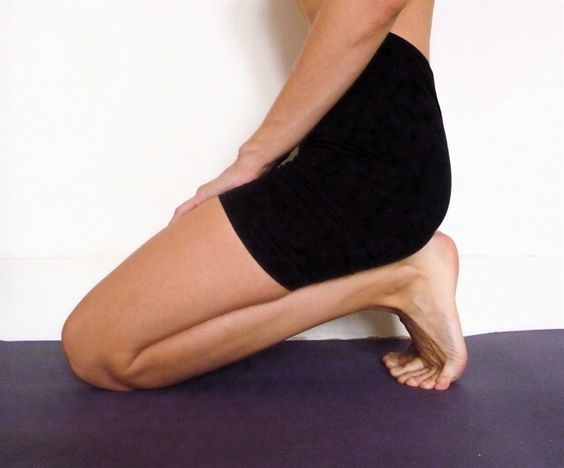
5) WIND REMOVING GENTLE TWIST

SEXUAL SHAME

sexual shame is among the most powerful and devastatingly painful forms of shame. As Patrick Carnes has often said, sexual secrets are often the cause of our greatest emotional shame, yet they are the secrets we are least likely to reveal.

Sexual shame often forms in childhood, most often as the result of early sexual trauma
Work with some affirmations


WORK WITH MANTRA VAM


6) SUPPORTED BRIDGE


Shame is one of the key energies that blocks us from being free.  If you want to be free you have to let go of the energy of shame. Even if you have blocked the shame from your conscious mind

In TCM Shame is housed in our stomach, spleen and pancreas.  Along with shame (anxiety, guilt, self-pity).  But there are also positive emotions there of stability, fairness, honesty and powerful intention.

The taste that alleviates worry, anxiety shame, guilt and self-pity is sweetness - dried fruit, honey, corn, cabbage, cucumber, jicama. peas, eggplant, lettuce, shitake mushrooms, and string beans

Wearing gold, orange or yellow are considered the colors to strengthen you digestive system and lift your spirits.

Garden, walk in nature, take care of a pet, get some house plant, thank mother earth

MANTRA RAM


7) COBRA - 1/2 LOCUST - FULL LOCUST - AIRPLANE

8) 1/2 BOW - BOW


Shame can be a seriously problem when we ignore or repress our feelings we can create a deep overall sense of frustration.  Shame can be a hidden reason for fear of failure.  It can manifest as worry or anxiety.

Humiliation involves an event that demonstrates unequal power in a relationship where you are in the inferior position and unjustly diminished. Often the painful experience is vividly remembered for a long time. Your vindictive passions are aroused and a humiliated fury may result. There are three involved parties: 1) the perpetrator exercising power, 2) the victim who is shown powerless and therefore humiliated, and 3) the witness or observers to the event.
Humiliation and Shame
Shame is private, humiliation is public.


Because we bury shame so deeply its energies are found very deep inside the body, close to the core or root of our being.  It's energy is wrapped tightly around the lowest part of the spine between L5 and s5.  When it released you will feel a sudden freedom in the movement in the lower vertebrae of your spine.


Yoga poses that focus on the sacral vertebrae can trigger a release of emotional energy of shame in the body (2nd chakra)


9) CHILD'S POSE TWIST


The essential distinction between humiliation and shame is:

you agree with shame and you disagree with humiliation.

Humiliation is suffering an insult. If you judge the insult to be credible, then you feel shame. Others can insult and humiliate you, but you will only feel shame if your self-image is reduced; and that requires your own assessment and decision.

A person who is insecure about their genuine stature is more prone to feeling shame as a result of an insult. This is because they give more credibility to what others think of them than to what they think of themselves. This can result in fragile self-esteem.

People believe they deserve their shame, they do not believe they deserve their humiliation. Humiliation is seen as unjust.


Shame and humiliation have the greatest potential for emotional damage.  they cause the greatest aversion in us.  When we feel deep shame it can force out to block out or consciously denylarge parts oa our life in attemt to bury and hide that shame.  WE can rewite our entire personal history based on our reluctanve to deal with the emotion of shame.  We can rewrite our histories and be told untruths


10) CRAB (time permitting)

Shame is a controlling device.  Shaming someone is an attempt to prevent the person from behaving in a way that embarrasses us.


In Yoga of Nine emotions shame is cateorgorized as a sub rasa of disgust.

Shame is a form of disgust, in which one recognizes one's own faults, feels disatified of oneself because of it, and fearful of other's people's judgment.  Disgust has a visible sign of unconsciously lifting the left side of the mouth,

11) HALF WARRIOR/DRAGON/BREATH OF FIRE/DRAGON TWIST


The feeling of shame in the pit of our stomach arises from the false belief that what we’ve done has diminished us, that it has defined us either in our own eyes or in the eyes of others as something “less” than what we had been. Perhaps you’ve felt the following before:
Flip flops in your stomach when you think on the issue
A sense of contraction or of involuntary sucking in of your stomach when you think about the issue
Nausea when you think about your issues
A sense of your stomach dropping out when you think on the issue
These physical feelings are your body’s way of showing you that your beliefs are off and that the sensations of guilt, shame, and remorse are due to your thoughts around what you’ve done, rather than what you’ve actually done. But if you listen to your body’s signals, you can turn around your beliefs about you’ve done and what you’re experiencing and rid yourself of your suffering.

12) 1/2 LORD OF THE FISHES (time permitting)


SHAME RESILIENCE

coined by Brene Brown who encourages everyone to become more resilient to shame,

We feel shame in the third chakrabecause we have given our power away to someone or something else.

We have decided that whatever we have done has diminished us to the point that if others found out, we would be considered bad.

We have elevated the thoughts and opinions of others over our own sense of self.
And yes, it’s that we’ve internalized these external beliefs so that it’s our own shame. But if you explore your feelings more fully, you’ll see that your shame is based on having thoughts of being exposed, that someone you love and/or respect will find out what you’ve done and you’ll be rejected or criticized or made to feel bad.

Remember, what you’ve done has NOT defined. It’s what you think about what you’ve done that defines you.


To start to heal your shame, I would recommend, in addition to reading Brene Brown’s book on shame, I Thought It Was Just Me, you can also understand that it is only your thoughts that create the belief around your sense of shame and it is you who creates the meaning out of what you’ve done.
So you’ve bounced a check, does that mean you’re a bad person or you made a mistake?
So you said something boundlessly inappropriate, does that mean you’re stupid or you made a mistake?

Whatever you have  done - no matter who bad you think it is - does it define you or can it be considered a mistake

Can you heal your shame and use it for a tool for transformation, do the right thing in this moment, and in the next moment, and in the next, and be the person you’re supposed to be, without the shame


The color of shame is a dirty, pale, salmon pink.  See if you can locate that color in your body and you can find the shame

1/2 HAPPY BABY INTO GENTLE TWIST


When you know you’re going to be in a tough situation, such as the first time you say no and stick to your guns, knowing you’ll disappoint that certain someone, or when you need to have a tough discussion with your colleagues, or it’s time to ask for a raise, don’t go “belly to belly”. In these situations, turn slightly so that you are positioned so that your solar plexus isn’t facing him/her/them directly.  This prevents their energy from entering your chakra’s aura and allows you to better maintain your power and will.
When a conversations starts to go wrong and you can feel yourself losing your power, put your hand up and block your solar plexus’ aura so that you aren’t being bombarded with their chakra energy.
Another way to increase your power in the middle of a situation is to, in addition to physically blocking your solar plexus, is to visualize your solar plexus as a disk or a ball of light and that it is getting bigger, warmer, and brighter. Quickly imagine it growing in intensity and you will feel your power flow back to you.


FULL HAPPY BABY


Laugh
Laughing at life can greatly increase your sense of power by not taking everything so seriously.
Rent a comedy and really laugh for as long as you can.

The antidote for shame is self-love and self-praise.  Can make a list of past compliments and good reviews.


SAVASANA TO YOGA NIDRA WITH HEALING SOUND