Showing posts with label stress. Show all posts

Thursday, June 1, 2017

Notes on “The Psychopathology of Stress”

Stress has been identified as a major cause of disease in the West

In Ayurveda, disease is called Pragya Paradh (mistake of the intellect) – mind sees itself separate from consciousness

Primordial Stress is one stressor that all imbalances can be traced back to in the Koshas

OVERVIEW OF THE KOSHAS


Anandamaya Kosha – bliss sheath, we first experience the self as bliss

“The only non-changing experience of life, the only experience of life that will offer fufillment, is when one functions from the purity of the Supreme Self – Anandamaya Kosha…. The Flower doesn’t need someone to smell it for it to be satisfied … From the true Self, the experience of life is embodied by the words “I love you, but it is no concern of yours.””

Vijnanamaya Kosha – discernment sheath, process of self-inquiry

Manomaya Kosha – mental sheath – connects mind and all of its distractions with the heart of the Supreme Self. Houses emotions and senses.  Gaining control of the senses is a constant theme in Ayurveda.

Pranamaya Kosha – energy sheath. Home of the breath, the life force that connects the mind with the body.

Annamaya Kosha – body sheath, making link between mind and body. “As long as the body is stressed, the fat cells will stay in storage, and the toxic chemicals as well as the toxic emotions slowly accumulate and aggravate initiating a disease process.”


FEAR

The most powerful emotion of the mind is fear – fear of not being loved is the most fundamental/primordial stress


STRESS


“Stress triggers a series of chemical changes that compromise the body’s downward-moving vata and lymphatic drains.”

Stress fighting hormones (adrenaline and cortisol) are degenerative and acidic

AYURVEDIC PRESCRIPTIONS


Ayurvedic prescriptions are Seasonal (ritucharya) and involve  daily (dinacharya) routines

“Each season offers the human body an opportunity for rejuvenation, detoxification and spiritual growth"

“The first goal of Ayurvedic approach to stress relief is to convince the body that life does not have to trigger a survival and emergency response with each passing day.”

Process of Self-Realization occurs once the Knower becomes aware of its Self at every level, in every kosha, the healing and restoration process begins.

Thursday, December 29, 2016

Main stressors in my life

Questions: Dealing with Stress in Your Own Life – List the main stressors in your life. Begin by
dividing them into groups, such as work, family, relationships, money, time, self-expectations,
self-image, etc. Next to each stressor, note the unconscious and subconscious beliefs that “make this stressor seem real” and the expectation you place on yourself due to these beliefs. In other words, are you measuring yourself against an image of how you want life, yourself, others, or situations to be? Look for a way in which you could drop the expectation or change your attitude toward it, and next to each expectation, note how the stress would change. If there are some stressors you would like to retain, note what it is you get from them. What is the payoff? Is the juice really worth the squeeze?


WORK - SET DECORATION
- There is no end to the volume
I can ask for more help - 2nd shopper, Set Dec PA.
I can quit the job if it becomes unreasonable.
I can accept there is a high volume of work in the profession I chose and be with the work
- The hours are very long
I can ask for more help
I can take better care of myself and go to bed on time so I have the energy to do the work
I can acknowelge that yes the hours are very long
Because the hours are long a need to take good care of myself
Because the hours are very long it is important that I take time off between jobs
- The expectations are high
I can have my own expectations
I can clarify what is needed
Because the expectations are high I need to devote time to yoga and meditation to balance myself
- Lots of people depend on my
We all depend on each other. I depend on them too
- I constantly have to be creative
I will do the best I can 
- I need to read other people's minds
Because I am not a mind reader I will ask more questions and also accept it will not always work out perfectly.
I can accept because I am not a mind reader sometimes I will need to make changes.

WORK - YOGA TEACHING/STUDIO
- I don't have enough energy left to do the job I want to do at the yoga studio
I can stop working at the studio
I can teach less 
I can leave things as they are and realize the yoga studio is just one part of my life
- I am working in partnership and I don't always have the same belief system as my partner
I can accept that we are different people
I can let go of the partnership
- The location is not good
- The parking sucks
I can try to find a solution to the parking
I can let things be as they are and acccept that the parking is not good,
- My students need a lot of attention that I can't always give them
I can accept I can only give what I can give and that is my best
When I am with my students I can give them my full attention
- I am very tired by the time I get to the studio
I can teach less
I can rest more
I can do the best I can do accepting that I am tired
- I spend most of my free time at the Yoga studio
I can not take on as many things
I can accept that I spend a lot of time at the studio

SCHOOL - YOGA THERAPY 800 hour Training
- The internship is very hard and demanding and takes lots of time
I can work on it as I can and let myself finish it when it naturally is finished without forcing or grasping
I can let go of perfectionism and day the internship the best I can when I approach it each time
- I need lots of money to pay for the trainings
I can keep decorating sets so that I have the money for teacher trainings
I can select which teacher trainings I want and which ones I can afford
I can borrow money from my mom or agains the house
I can do less teacher trainings and try to learn in cheaper ways: by taking classes, by reading books
- I didn't expect to have to do all my training at Kripalu I thought I could go back to Austin which is much closer and more personal
I can accept that things change
- I am not sure I can make a living doing yoga therapy
I can focus on the right now which is my work as a Decorator and a part time yoga teacher and when I have become a Yoga Therapist think about how to make a living. Right now since I am not a Yoga Therapist it is not as important to ruminate on the future,
- Even though I am doing all this training I still feel inadequately prepared to work with people
I can realize I am not work with people and not teach until I feel prepared
I can work consistently in the day to day on my yoga therapy and trust that one day I will feel prepared

PHYSICAL BODY
- My left knee hurts when it is bent. It is the same pain I had before and after my surgery in 2000. I thought I had solved this issue and now it's back
I can continue to work on my knee
I can accept that my knee hurts now
- The side of my left foot is hurting very badly
I can accept that my foot is hurting
I can work on my foot using the healing modalities that I am familiar with
- My shoulders are in pain most of the time
I can accept the pain in my shoulders
I can work on my shoulders using the healing modalities that I am familiar with
- The side of my right calf is in pain
I can accept the pain
I can work with the healing modalities I know
- I am doing yoga and going to physical therapy for these injuries
- Both of these activities take a lot of time
I can do what I can do with the constraints of the time I have
- Being in pain affects my mood and my performance at work
I can accept that pain affects my mood
- My bunions are very large and my toes are curling over which I believe is effecting my stability and balance
I can accept that my balance is off due to injury


FAMILY
- I don't spend enough time with my husband because I have made myself so busy
I can make my husband more of a priority
I can accept that I am busy
- Most of my family is in Philadelphia and I feel disconnected from them
I can try to be more connected to my family using phone and internet
I can accept the choice I made living far from my family has lead to me feeling disconnected
- My cousin, who I love lives less than two miles from me but I rarely see her
I can see her more
I can accept that I do see her
- I regret not having children
- My grandaunt just died and I didn't get to see her
I can accept that she died and I wasn't there
- My aunt is suffering from dementia and I don't know how to help
I can accept that I don't know how to help my aunt who is suffering
- My cousin has a sever case of lupus
I can accept that my cousin has lupus and although it seems very infair to me this is the way it is
- my brother has epilepsy and I feel guilty about how his life has turned out
I can accept my brother has epilepsy and I don't

RELATIONSHIPS
- I have few friendships
I can accept that I have few friends
- My one close friend moved away several years ago.  I tried to stay in touch but she doesn't return my calls very often
I can accept that she doesn't return my calls
- My other close friend moved away this fall and I miss her very much
I can accept that I miss Linda


MONEY
- I am worried that when I make my Career Change to Yoga and Yoga Therapy I will not make enough money to be satisified
Change is always happening in life and it is not a threat. 
The point of life is change
- I make a lot of money in TV being a Set Decorator and that is one of the things that has keep me in this profession that I think it too hard to do
I am mindful that I perceive my profession as difficult

TIME
- I schedule up all of my time and don't give myself much down time
I can give myself more down time
I can recognize that my tendency is to over schedule myself and decide if I want to try to make any changes
- I am overwhelmed that I don't have enough time
I can do less
I can accept that I am overwhelmed
- I don't give myself enough time to sleep
I can sleep more
I can accept that I don't give myself enough time to sleep

SELF-EXPECTATIONS
- I have very high expectations for myself
I recognize my expectations are high
I can attempt to lower my expectations
- I am competitive and achievement oriented
I can accept my competitive and achievement oriented nature
I can try to change
- I rarely feel good enough
I can accept that I rarely feel good enough
I can work on loving myself

SELF IMAGE
- I feel I am too fat
I can accept my body as it is right now
- I am embarrassed that I am not more flexible
I can accept my flexibilty where it is right now
- I don't feel pretty enough
I can accept my looks as they are
- I am struggling with how my looks are changing as I am getting older
I can accept that I am changing and getting older

Sunday, December 25, 2016

Exploring Stress through the Koshas

We humans are like a lamp that has five lampshades over our light. Each of the lampshades is a different color and density. As the light shines through the lampshades, it is progressively changed in color and nature. It is a bitter-sweet coloring. On the one hand, the shades provide the individualized beauty of each lamp. Yet, the lampshades also obscure the pure light. 
Swami Jnaneshvara Bharati 


PHYSICAL BODY/ANNAMAYAKOSHA

When you take the time to cleanse your physical body of accumulated stress and toxicity, you are rewarded with increased vitality and optimal health. -  Debbie Ford

Stress in this body manifests as lack of body awareness and/or physical disease


(MUSCULAR-SKELETAL SYSTEM)
- tension headache
- neck pain
- muscle contraction and tension.
- migraines
- Dwarfish
- joint pain
- inhibition of regeneration of skeletal system where repair and remodeling of bone can be disrupted
- osteoporosis

(ENDOCRINE SYSTEM)
- hypothalamus signals the autonomic nervous system and the pituitary gland and the process is started to produce epinephrine and cortisol, sometimes called the "stress hormones."
- increased production of cortisol
- increased production of epinephrine
- When cortisol and epinephrine are released, the liver produces more glucose, a blood sugar that would give you the energy for "fight or flight" in an emergency
- tendency toward diabetes


(CIRCULATORY SYSTEM)
- An increase in stress hormones, known as adrenaline, noradrenaline, and cortisol which increase heart rate, dilate blood vessels and, increase blood pressure.
- Consistent and ongoing increase in heart rate, and elevated levels of stress hormones and of blood pressure
- Hypertension
- Heart palpitations
- Heart attack
- Stroke

(RESPIRATORY SYSTEM)
- shortness of breath
- shallow breath
- higher risks for complications for people with asthma or  lung disease, like emphysema
- development of asthma
- hyperventilation
- fatigue

(NERVOUS SYSTEM)
- increased heart rate
- digestive changes
- increased blood pressure
- increased metabolic rate

(DIGESTIVE SYSTEM)
- irregular bowel movements
- abdominal pain
 - ulcer
- impacts what nutrients your digestive tract absorbs
- impacts how fast food moves through your system.
- diarrhea
- constipation

(REPRODUCTIVE SYSTEM)
- reduction of libido
- reduction of testosterone levels in male
- reduction of fertility in females


ENERGY BODY/PRANAMAYAKOSHA

Our breath gets shallow and ineffective when we are in a stressed state. I advocate stopping whatever you're doing for a couple of minutes five times a day, closing your eyes and taking deep breaths. 
-  Lindsay Wagner

Stress manifests in this body in shallow breathing, shortness of breath, low energy, blockages in the pranavayus and chakras.  We separate from the healing power of nature including the 5 elements. Stress may be experienced as insomnia or fatigue


PSYCHO-EMOTIONAL BODY/MANOMAYAKOSHA

The deepest fear we have, 'the fear beneath all fears,' is the fear of not measuring up, the fear of judgment. It's this fear that creates the stress and depression of everyday life. 
- Tullian Tchividjian

Stress manifests in emotional pain, conflict, fear, anger and sadness. We become self centered and see the world as I, me and mine. Stress appears to be a major factor in severe depression.


WITNESS BODY/VIJNANAMAYAKOSHA


Happiness is a choice. You can choose to be happy. There's going to be stress in life, but it's your choice whether you let it affect you or not. 
Valerie Bertinelli


Stress is the sum of beliefs and though patterns that affect the way we see the world. When stressed we lose track of the witness mind and get caught up in the minutiae of the details. We can't see the forest for the trees. We lose our perspective.


BLISS BODY/ANANDAMAYAKOSHA

Being in control of your life and having realistic expectations about your day-to-day challenges are the keys to stress management, which is perhaps the most important ingredient to living a happy, healthy and rewarding life.- Marilu Henner


Stress is a fundamental separation from spirit. When we are stressed we are discontented and agitated.  We lose touch with our source energy. We have a lack of awareness that we are one with the universe. We experience isolation, separation and lack of unity.  We feel as we have no purpose.

Monday, November 7, 2016

How were you affected by the book "Why Zebras Don't Get Ulcers"

Reading the book we zebras don't get ulcers was a very upsetting experience for me.  I work in a very high stress high pressure environment in TV and the more I read the book the deeper trouble I felt I was in life wise.


One huge problem I have when I am stressed and I am stressed most of the time is over-eating.  I am always hungry and I never fear full.  Chapter 5 gave me a lot of insight into this.

"You're a zebra running for your life, don't think about lunch.  That's the reason we lose our appetites when we are stressed. Except for those of us who, when stressed, eat everything in sight, in a mindless mechanical way."

I realize I am what is called "hyperphagic" (eating more).  I always wished I was one of those people who lost their appetite when stressed but it is just not me and I always wondered whu.

"..of there are large amounts of CRH and gulcocorticoids in the bloodstream, you are probably in the middle of a sustained stressor. Also a good time to have appetite suppressed. You can pull this off only if the appetite-suppressing effects of CRH are stronger than the appetite-stimulating effects of glucocorticoids." p.73

"What else separates the stress hyperphagics from the stress hypophagics? Some of it has to do with your attitude toward eating, Lots of people eat not just out of nutritional need, but out of emotional need as well.  These folks tend to be overweight and to be stress-eaters....At evene given point, about two-thirds of us are :restrained" eaters. These people who are actively trying to diet, who would agree with statements like, "In a typical meal, I'm conscious of trying to restrict the amount of food that I consume." ... Restrained eaters are actively restricting their food intake. What the studies consistently show is that during stress, people who are normally restrained eaters are more likely than others to become hyperphagic."

This restrained eater hyperphagic propensity thing sounds like me.

I really got worried about all the talk about chronic stress and disease risk.  My stress is just too long and too frequent.  Also there is an incredible lack of predictability in my work life. I don't ever know when the producers and directors are going to like that sets and when they aren't and I am going to have to make last minute changes. This lack of predictability is the source of much of my anxiety. Also I am a free-lance and have gone from job to job for 22 years. Jobs last from 1 week to 10 months.

I also don't have much control of my life working in TV. My work schedule is changing all the time. I don't know what people want from me most of the time because they have a hard time explaining.  Also where I go every day to work changes.  I don't chose any of these things.  They are all sent to me late at night in the form of a call sheet.

On the positive side, I was encouraged by the idea of outlets for frustration helping the rats to be less likely to get an ulcer. Yoga and Art are my outlets for frustration.  But sometimes I have to work so many hours I let them go and that's when I get in trouble emotionally.

I also have a lot of social support in the form of my husband Tim and my cousin Lucretia. Their love and encouragement have helped me deal with my difficult career,

As to the "perception of things worsening" that's something I am very guilty of. I hear myself and others say all the time "the business (TV and Film) keeps getting worse."

These are the reasons I want to get out of TV and be a yoga therapist. I hope I can pull it off. I need a change for my mental health.

Why is psychological stress stressful?

Physiological Stress


Sapolsky talks about in great detail in the book "Why Zebras Don't Get Ulcers" that "when we sit around and worry about stressful things, we turn on the same physiological responses (as a zebra would if it were being attacked by a lion)-but they ate potentially a disaster when provoked chronically. A large body of evidence suggests that stress-related disease emerges, predominantly, out of the fact that we so often activate a physiological system that has evolved for responding to acute physical emergencies but we turn it on for months on end, worrying about mortgages, relationships and promotions."p.6


"But when we get into a physiological uproar and activate the stress response for no reason at all, or overs something we cannot do anything about, we call it things like "anxiety", "neurosis", "paranoia," and "needless hostility." p,7


"..,the stress-response can be mobilized not only in response to physical or psychological insults, but also in expectation of them...a physiological system activated not only be all sorts of physical disasters but by just thinking about them as well."


So this is what according to the book gets us into so much trouble leading to strokes, ulcers, dwarfish, reproduction issues, immunity issues, insomnia, depression, addiction, etc.  Our body reacts in a physiological way to psychological situations and activates the stress response over and over again. And basically we aren't designed for this, Our stress response was designed to handle short term physical stressors.


There is some good news: Firstly the body is incredibly smart.

"The body not only can sense something stressful, but it also is amazingly accurate at measuring just how far and how fast that stressor is throwing the body out of allostatic balance." p.253


And there are some positive extenuating circumstances.

"An organism is subjected to a painful stimulus, and you are interested in how great a stress-reponse will be triggered. The bioengineers (have mapped) the relationship between the intensity and duration of the stimulus and the response. . . when the painful stimulus can reach out for its mommy and cry in her arms. Under these circumstances, this organism shows less of s stress-response." p.254

"the physiogical stress response can be modulated by psychological factors. Two identical stressros with the same extent of allostatic disruption can be perceived, can be appraised differently, and the whole show canges from there. Suddenly the stress-response could be bigger or smaller depending on spychologcal factors.  In other words, psychological variables could modulate the stress-response."


Journaling Questions - Why Zebras Don't Get Ulcers

Why do you think Sapolsky chose the title: Why Zebras Don’t Get Ulcers?


I believe Sapolsky chose the title "Why Zebras Don't Get Ulcers" because he is looking at throughout the book how some reactions in our bodies to stress are things that are left over from our evolution. They make complete sense for a mammal like a zebra but for us a humans they don't function as well anymore. Are stresses as humans are chronic and mental without an immediate physical threat l while the stresses of most animals are short term acute physical crises,


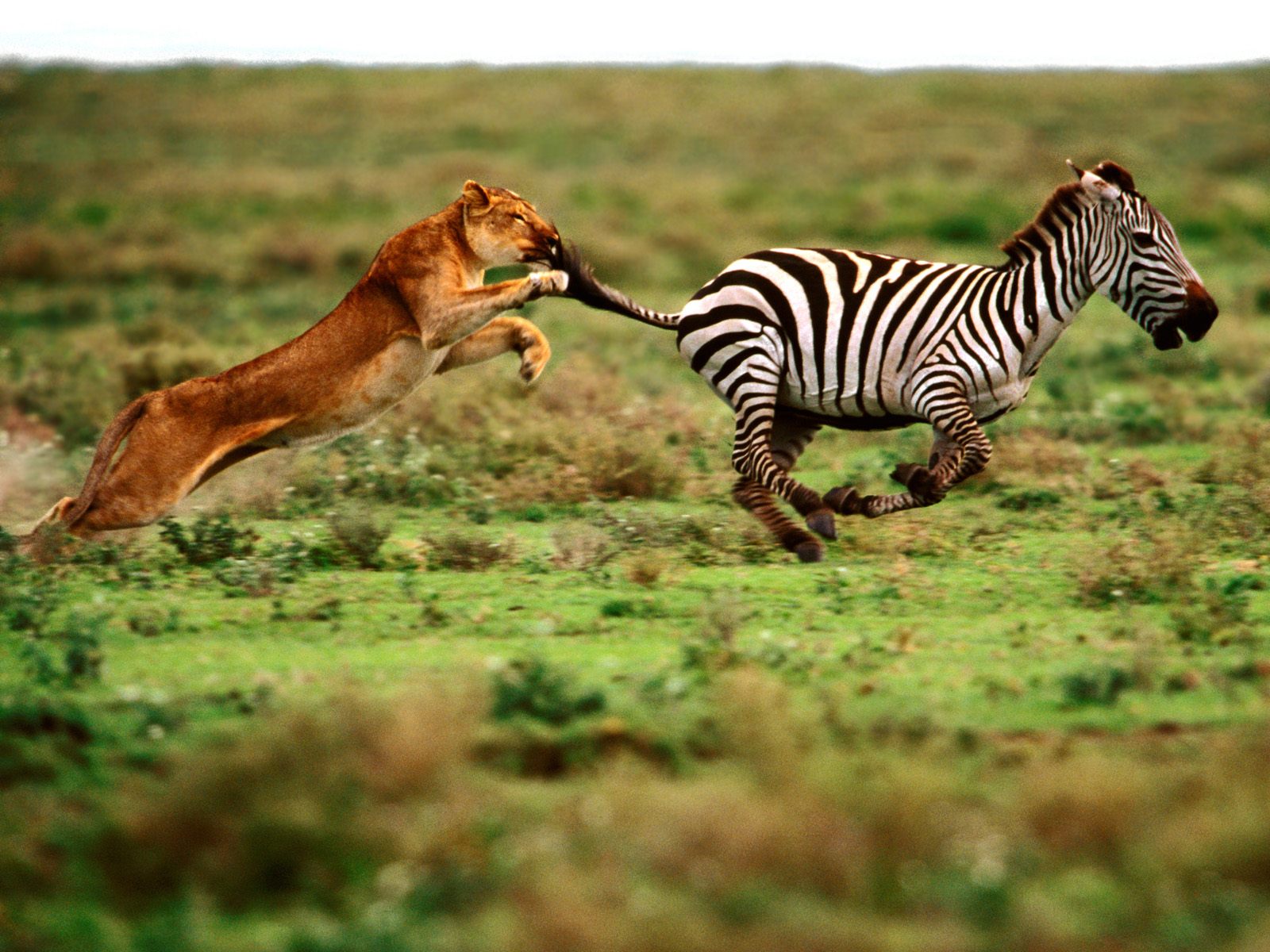
"For animals like zebras the most upsetting things in life are acute physical crises. You are that zebra, a lion has just leapt out and ripped your stomach open, you've managed to get away, and now you have to spend the next hour evading the lion as it continues to stalk you. Or, perhaps just as stressfully, you are the lion, half-starved, and you had better be able to sprint across the savanna at top speed and grab something to eat or you won't survive. These are extremely stressful events, and they demand immediate physiological adaptations if you are going to live. Your body's responses are brilliantly adapted for handling this sort of emergency." p. 4


"This is the critical point of this book: if you are that zebra running for your life, or that lion sprinting for your meal, your bodies physiological response mechanisms are superbly adapted for dealing ith short-term physical emergencies. For the vast majority of beasts on this planet, stress is about a short-term crisis, after which it's either over with or you're over with. When we sit around an worry anout stressful things, we turn on the same physiological responses - but they are potentially a disaster when provoked chronically. A large body of evidence suggests that stress-related disease emerges predominantly, out of the fact that we so often activate a physiological system that has evolved from responding to acute physical emergencies but we turn it on for months on end, worrying about mortgages, relationships and promotions." p.6