Were any previous ideas you had on the subject changed, abandoned, or reinforced due to this book? How is the book related to your own path as a yoga therapist?

I am going to answer these questions together
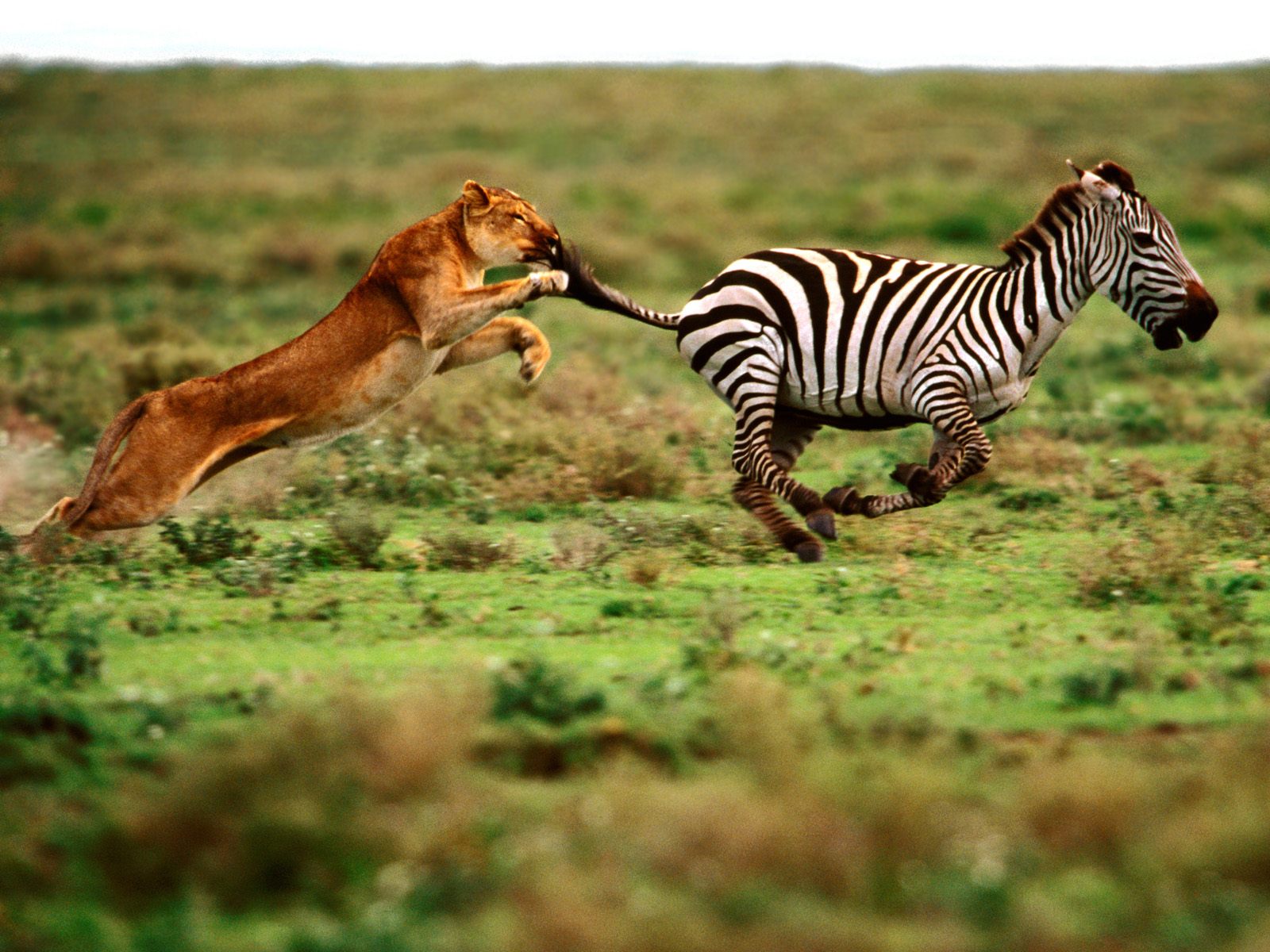
Chapter 1 – Why Don’t Zebras Get Ulcers
- I never really thought about us humans having physiology that doesn’t quite match up to our experiences in the modern world before this book. I can use this explanation when talking to clients in yoga therapy. I already have heard myself talk about it any times since I started reading the book last April.
- I never had heard the terms psychological and social disruptions are the one of the ways we get upset
- New to me is the definition of a stressor and stress response. I will use it with my clients.
“A stressor is anything in the outside world that knocks you out of homeostatic balance, and the stress reponse is what your body does to reestablish homeostasis.” P,6
- I never had heard anything about Selye before
- I like the simple statement on p. 8 “If stressors go on too long, they can make you sick.” I will use that with my students and clients.
- I found this interesting on p. 11 “With sufficiently sustained stress, our perception of pain can become blunted.”
- Also of great interest: “. . . during stress, shifts occur in cognitive and sensory skills…” p.12
- Problems with constant stress p,13 “the stress-respinse can become more damaging than the stressor itself, especially when the stress is purely psychological” and “If you constantly turn off long-term building project, nothing is ever repaired,”
p. 16 “If you repeatedly turn on the stress response or if you cannot turn off the stress-response at the end of a stressful event, the stress-response can eventually become damaging.”
p. 16 “chronic or repeated stressors can potentially make you sick or can increase your risk of being sick.”
Chapter 5 – Ulcers, The Runs, And Hot Fudge Sundaes
- There is this idea that we should lose our appetite when we are stressed but I always just eat more and more. I find interesting ideas of hyperphagic and hypophagic different people have different reactions in their eating to stress and it depends on their relationship to food. I will use this with my clients and students when talking about mindful eating.
- “. . . ulcers are not formed so much during the stressor as during the recovery. This predicts that several periods of transient stress should be more ulcerative than one long, continuous period, and animal experiments have generally shown this to be this case.” P.89
Chapter 6
- Interesting this whole story of the dwarfish ending with the boy with the nurturing nurse. This is helpful to talk to people on how important nurturing and support is.
Chapter 7
- Very interesting about the sex organs of the hyena. I am not sure how I will use this as a yoga therapist accept anecdoctally.
Chapter 8 – Immunity, Stress and Disease
- Interesting how during stress first immunity is enhanced and then reduced. I will use this explanation with clients.
Chapter 9 – Stress and Pain
- I thought this was very helpful about pain
p. 187 “Pain is useful to the extent that it motivates us to modify our behaviors in order to reduce whatever insult is causing the pain, because invariability that insult is damaging our tissues.”
p.189 “A striking aspect of the pain system is how readily it can be modulated by other factos. The strength of a pain signal, for example, can depend on what other sensory information is funneled to the spine at the same time…”
p,191 – Interesting to me about slow fibers and fast fibers. I find this useful when talking to clients
“The pain physiologist David Yeomans has framed the functions of the fast and slow fibers . . . fast fibers are about is getting you to move as quickly as possible (from the source of the piercing pain). What the slow fibers are about is getting you to hunker down, immobile so you can heal.”
- pain is subjective
- there is a real thing called stress-induced analgesia this was show in hot plate test in rats but there is also stress induced hyperalgesia like in the dentist
Chapter 10– Stress and Memory
These were the concepts that I related the most to in Chapter 10. I think especially when working with yoga nidra it can be important to talk about the different parts of the brain.
- “memories can be transformed between explicit and implicit forms of storage.” P. 205
- importance of cortex and hippocampus
- think of the cortex as your hard drive where your memories are stored
- think of the hippocampus as the keyboard
- excess of stress and/or glucocortoids can disrupt the functioning of the hippocampus
- major depression is associated with a smaller hippocampus
- glucocortoids damage the human hippocampus
- grandmother neurons
- p.212 “So stress acutely causes increased delivery of glucose to the brain, making more energy available to neurons and therefor better memory and retrieval.
- Amygdala
- inverse U relationship
- Cushing’s syndrome
- some findings show stress disrupts executive function
- higher glucocorticoid level enhance long term depression
Chapter 11 - Stress and a Good Night’s sleep
I suffer from middle insomnia so all these concepts were very interesting to me. I taught a workshop using these concepts a couple months back. I xeroxed the chapter and we went through it and it was very helpful.
Sleep is not a monolithic process
There are different types and stages of sleep: shallow (stages 1 and 2), deep sleep (stages 3 and 4) aka slow wave sleep, REM and brain works differently in different stages of sleep
90 minute cycle: shallow, slow wave, REM and the back up gain
Frontal Cortex is the most recently evolved part of the human brain and is disproportional large in primates
Frontal cortex like super ego - helps you do the harder rather than the easier thing (helps you think sequential as opposed to bouncing all over the place)
Frontal cortex disciplines and inhibits the emotional limbic system
During REM sleep, the metabolism in the frontal cortex goes way down, disinhibiting the limbic system from moving forward ie outlandish ideas/dreams
REM sleep is super important
Sleep plays a role in cognition
Slow wave and REM sleep also play roles in the formation of new memories
Sleep deprivation stimulates glucocorticoid secretion
75 percent of insomnia cases are triggered by a stressor
Poor sleepers tend to have higher levels of sympathetic arousal or of glucocorticoids in their blood stream
Chapter 12 - Aging and Death
I am thinking a lot about aging with myself and my mother. My clients are also dealing with aging and these are some important tips for longevity.
P.243 Aging can be defined as the progressive loss of the ability to deal with stress
P.245 There is evidence that an excess of stress can increase the risk of some of the diseases of aging
Programmed Die Offs (Salmon and Marsupial Mice)
Max Rubne: there is only so long a body can go on - only so many breaths, so many heartbeats, so much metabolism that each poun of flesh can carry out before the mechanisms of life wear out
Chapter 13 - Why is Psychological Stress Stressful
This is very important to mention when working with clients.
The body can not only sense something stressful but it also is amazingly accurate at measuring just how far and how fast that stressor is throwing the body out of allostatic balance
The physiological stress response can be modulated by psychological factors. Two identical stressors with the same extent of allostatic disruption can be perceived and appraised differently, and the whole show changes from there
The stress response can be made bigger or smaller depending on psychological factors
When given an outlet for frustration a rat is far less likely to get an ulcer
Outlets can be (drinking water, sprinting, or running on a wheel)
A central feature of an outlet is that it distracts from a stressor and is positive
Social support reduces the stress response
People with spouses or close friends have longer life expectancies
If you are a member of an ethnic minority, the few members there are of your group in your neighborhood, the higher your risks of mental illness, psychiatric hospitalization and suicide.
Predictability makes stress less stressful
Loss of predictability triggers the stress response
Joan Silk of UCLA has emphasized that among primates a great strategy for maintaining dominance is for the alpha individual to mete out aggression in a randomly brutal way. This is our primate essence of terrorism.
Overabundance of predictability can lead to boredom
Stress responses can be modulated or even caused by psychological factors, including loss of outlets for frustration and of social support, a perception of things worsening, and under some circumstances, a loss of control and of predictability.
Chapter 14 - Stress and Depression
I have suffered from periods of depression so it is a subject I am very interested in. I took life-force yoga training to help with learn more techniques for dealing with depressions.
-The defining feature of major depression is loss of pleasure
Anhedonia = inability to feel pleasure
Depression represents a state where those two independent axes tend toward collapsing into one inverse relationship -- too few positive emotions and too many negative ones
Accompanying major depression are great grief and great guilt. We often feel grief and guilt in the everyday sadness that we refer to as “depression.”
Some cognitive therapists consider depression to be primarily a disorder of thought rather than emotion
Psycho-motor retardation is another frequent feature of depression. The person speaks and moves slowly. Everything requires tremendous effort and concentration.
Architecture of sleep changes with depression
Elevated glucocorticoids is experienced by depressives
There are many different types of depression
Amgydala is involved with fear and anxiety
There is some evidence that depression involves abnormal levels of the neurotransmitters norepinephrine, serotonin and dopamine
The pleasure pathway seems to make heavy use of dopamine as a neurotransmitter
As mammals we have large limbic systems
Cortex does abstract cognition, invents philosophy, remembers where your car keys are
Simplifying: Depression as an occurrence when your cortex thinks an abstract negative thought and manages to convince the rest of the brain that this is real as a physical stressor
You can think of depression as the cortex whispering sad thoughts to the rest of the brain
Activation of the right prefrontal cortex is negative emotions and the left with
The more prior history of stress you have, especially early in life, the less of a stressor it takes to produce those neurochemical changes. But the same stress signal, namely glucocorticoids, alters norepinephrine synthesis serotonin,
. ..
Chapter 15 - Personality, Temperament and Their Stress-Related Consequences
I have a client who is dealing with anxiety these definitions are useful.
- We are ecologically buffered and privileges enough to be stressed mainly over social and psychological matters
- Baboon problems stem from inability to keep competition in perspective and social isolation
- Anxiety: a sense of disquiet, of disease, of the sands constantly shifting, menancing beneath your feet
- Unlike depressives, the anxiety prone person is still attempting to mobilize coping responses
- Anxiety and fear conditioning are the province of the amygdala
- The amygdala is also about aggression
Chapter 16 - Junkies, Adrenaline Junkies and Pleasure
I have a few clients who are in recovery.
- Brain contains a pleasure pathway that makes heavy use of the neurotransmitter dopamine
- Element of surprise produces even a greater amount of dopamine
- Dopamine plays an important role in the anticipation of pleasure and energizing you to respond to incentives
- Wanting vs Needing
- Context Dependent Relapse (many of them come from cortical and hippocampal regions that carry information about setting)
- Anxiolytic - a drug that lyses or disintegrates anciety
- Stress increases the likelihood of self-administering a drug to an addictive extent
Chapter 17 - The View from the Bottom
As a yoga therapist I hope to work more in underserved communities.
- Stress can make you more likely to get diseases that make you sick
- Chronic Poverty means stress
- Longevity is inversely related to poverty
-The more income inequality the worse the health and mortality of the society
- Wilkinson: In societies with more income inequality both the poor and the wealthy are healthier than their counterparts
- Poverty, and the poor health of the poor, is about much more than simply not having enough money. It’s about the stressors caused in a society that tolerates leaving so many of its members so far behind.
- “When humans invented poverty, they came up with a way of subjugating the low-ranking like nothing ever seen before in the primate world.”
Chapter 18 - Managing Stress
This chapter was a great summation.
-Successful Aging: no smoking, minimal alcohol, lots of exercise, normal body weight, absence of depression, a warm stable marriage, a mature, resilient coping style, being respected and needed, right sort of infancy
-Handled Rats more successful aging
- People handling their own meds and consumption goes down
- Increasing control
- Giving and receiving social support
- Cognitive Flexibility to switch strategies
- Few of the things that we find stressful are real in the sense that zebra or lion would understand. Because we have privileged lives we have invented stressors which we permit to dominate our lives. Surely we have the potential to be uniquely wise enough to banish their stressful hold.

I am going to answer these questions together
Chapter 1 – Why Don’t Zebras Get Ulcers
- I never really thought about us humans having physiology that doesn’t quite match up to our experiences in the modern world before this book. I can use this explanation when talking to clients in yoga therapy. I already have heard myself talk about it any times since I started reading the book last April.
- I never had heard the terms psychological and social disruptions are the one of the ways we get upset
- New to me is the definition of a stressor and stress response. I will use it with my clients.
“A stressor is anything in the outside world that knocks you out of homeostatic balance, and the stress reponse is what your body does to reestablish homeostasis.” P,6
- I never had heard anything about Selye before
- I like the simple statement on p. 8 “If stressors go on too long, they can make you sick.” I will use that with my students and clients.
- I found this interesting on p. 11 “With sufficiently sustained stress, our perception of pain can become blunted.”
- Also of great interest: “. . . during stress, shifts occur in cognitive and sensory skills…” p.12
- Problems with constant stress p,13 “the stress-respinse can become more damaging than the stressor itself, especially when the stress is purely psychological” and “If you constantly turn off long-term building project, nothing is ever repaired,”
p. 16 “If you repeatedly turn on the stress response or if you cannot turn off the stress-response at the end of a stressful event, the stress-response can eventually become damaging.”
p. 16 “chronic or repeated stressors can potentially make you sick or can increase your risk of being sick.”
Chapter 5 – Ulcers, The Runs, And Hot Fudge Sundaes
- There is this idea that we should lose our appetite when we are stressed but I always just eat more and more. I find interesting ideas of hyperphagic and hypophagic different people have different reactions in their eating to stress and it depends on their relationship to food. I will use this with my clients and students when talking about mindful eating.
- “. . . ulcers are not formed so much during the stressor as during the recovery. This predicts that several periods of transient stress should be more ulcerative than one long, continuous period, and animal experiments have generally shown this to be this case.” P.89
Chapter 6
- Interesting this whole story of the dwarfish ending with the boy with the nurturing nurse. This is helpful to talk to people on how important nurturing and support is.
Chapter 7
- Very interesting about the sex organs of the hyena. I am not sure how I will use this as a yoga therapist accept anecdoctally.
Chapter 8 – Immunity, Stress and Disease
- Interesting how during stress first immunity is enhanced and then reduced. I will use this explanation with clients.
Chapter 9 – Stress and Pain
- I thought this was very helpful about pain
p. 187 “Pain is useful to the extent that it motivates us to modify our behaviors in order to reduce whatever insult is causing the pain, because invariability that insult is damaging our tissues.”
p.189 “A striking aspect of the pain system is how readily it can be modulated by other factos. The strength of a pain signal, for example, can depend on what other sensory information is funneled to the spine at the same time…”
p,191 – Interesting to me about slow fibers and fast fibers. I find this useful when talking to clients
“The pain physiologist David Yeomans has framed the functions of the fast and slow fibers . . . fast fibers are about is getting you to move as quickly as possible (from the source of the piercing pain). What the slow fibers are about is getting you to hunker down, immobile so you can heal.”
- pain is subjective
- there is a real thing called stress-induced analgesia this was show in hot plate test in rats but there is also stress induced hyperalgesia like in the dentist
Chapter 10– Stress and Memory
These were the concepts that I related the most to in Chapter 10. I think especially when working with yoga nidra it can be important to talk about the different parts of the brain.
- “memories can be transformed between explicit and implicit forms of storage.” P. 205
- importance of cortex and hippocampus
- think of the cortex as your hard drive where your memories are stored
- think of the hippocampus as the keyboard
- excess of stress and/or glucocortoids can disrupt the functioning of the hippocampus
- major depression is associated with a smaller hippocampus
- glucocortoids damage the human hippocampus
- grandmother neurons
- p.212 “So stress acutely causes increased delivery of glucose to the brain, making more energy available to neurons and therefor better memory and retrieval.
- Amygdala
- inverse U relationship
- Cushing’s syndrome
- some findings show stress disrupts executive function
- higher glucocorticoid level enhance long term depression
Chapter 11 - Stress and a Good Night’s sleep
I suffer from middle insomnia so all these concepts were very interesting to me. I taught a workshop using these concepts a couple months back. I xeroxed the chapter and we went through it and it was very helpful.
Sleep is not a monolithic process
There are different types and stages of sleep: shallow (stages 1 and 2), deep sleep (stages 3 and 4) aka slow wave sleep, REM and brain works differently in different stages of sleep
90 minute cycle: shallow, slow wave, REM and the back up gain
Frontal Cortex is the most recently evolved part of the human brain and is disproportional large in primates
Frontal cortex like super ego - helps you do the harder rather than the easier thing (helps you think sequential as opposed to bouncing all over the place)
Frontal cortex disciplines and inhibits the emotional limbic system
During REM sleep, the metabolism in the frontal cortex goes way down, disinhibiting the limbic system from moving forward ie outlandish ideas/dreams
REM sleep is super important
Sleep plays a role in cognition
Slow wave and REM sleep also play roles in the formation of new memories
Sleep deprivation stimulates glucocorticoid secretion
75 percent of insomnia cases are triggered by a stressor
Poor sleepers tend to have higher levels of sympathetic arousal or of glucocorticoids in their blood stream
Chapter 12 - Aging and Death
I am thinking a lot about aging with myself and my mother. My clients are also dealing with aging and these are some important tips for longevity.
P.243 Aging can be defined as the progressive loss of the ability to deal with stress
P.245 There is evidence that an excess of stress can increase the risk of some of the diseases of aging
Programmed Die Offs (Salmon and Marsupial Mice)
Max Rubne: there is only so long a body can go on - only so many breaths, so many heartbeats, so much metabolism that each poun of flesh can carry out before the mechanisms of life wear out
Chapter 13 - Why is Psychological Stress Stressful
This is very important to mention when working with clients.
The body can not only sense something stressful but it also is amazingly accurate at measuring just how far and how fast that stressor is throwing the body out of allostatic balance
The physiological stress response can be modulated by psychological factors. Two identical stressors with the same extent of allostatic disruption can be perceived and appraised differently, and the whole show changes from there
The stress response can be made bigger or smaller depending on psychological factors
When given an outlet for frustration a rat is far less likely to get an ulcer
Outlets can be (drinking water, sprinting, or running on a wheel)
A central feature of an outlet is that it distracts from a stressor and is positive
Social support reduces the stress response
People with spouses or close friends have longer life expectancies
If you are a member of an ethnic minority, the few members there are of your group in your neighborhood, the higher your risks of mental illness, psychiatric hospitalization and suicide.
Predictability makes stress less stressful
Loss of predictability triggers the stress response
Joan Silk of UCLA has emphasized that among primates a great strategy for maintaining dominance is for the alpha individual to mete out aggression in a randomly brutal way. This is our primate essence of terrorism.
Overabundance of predictability can lead to boredom
Stress responses can be modulated or even caused by psychological factors, including loss of outlets for frustration and of social support, a perception of things worsening, and under some circumstances, a loss of control and of predictability.
Chapter 14 - Stress and Depression
I have suffered from periods of depression so it is a subject I am very interested in. I took life-force yoga training to help with learn more techniques for dealing with depressions.
-The defining feature of major depression is loss of pleasure
Anhedonia = inability to feel pleasure
Depression represents a state where those two independent axes tend toward collapsing into one inverse relationship -- too few positive emotions and too many negative ones
Accompanying major depression are great grief and great guilt. We often feel grief and guilt in the everyday sadness that we refer to as “depression.”
Some cognitive therapists consider depression to be primarily a disorder of thought rather than emotion
Psycho-motor retardation is another frequent feature of depression. The person speaks and moves slowly. Everything requires tremendous effort and concentration.
Architecture of sleep changes with depression
Elevated glucocorticoids is experienced by depressives
There are many different types of depression
Amgydala is involved with fear and anxiety
There is some evidence that depression involves abnormal levels of the neurotransmitters norepinephrine, serotonin and dopamine
The pleasure pathway seems to make heavy use of dopamine as a neurotransmitter
As mammals we have large limbic systems
Cortex does abstract cognition, invents philosophy, remembers where your car keys are
Simplifying: Depression as an occurrence when your cortex thinks an abstract negative thought and manages to convince the rest of the brain that this is real as a physical stressor
You can think of depression as the cortex whispering sad thoughts to the rest of the brain
Activation of the right prefrontal cortex is negative emotions and the left with
The more prior history of stress you have, especially early in life, the less of a stressor it takes to produce those neurochemical changes. But the same stress signal, namely glucocorticoids, alters norepinephrine synthesis serotonin,
. ..
Chapter 15 - Personality, Temperament and Their Stress-Related Consequences
I have a client who is dealing with anxiety these definitions are useful.
- We are ecologically buffered and privileges enough to be stressed mainly over social and psychological matters
- Baboon problems stem from inability to keep competition in perspective and social isolation
- Anxiety: a sense of disquiet, of disease, of the sands constantly shifting, menancing beneath your feet
- Unlike depressives, the anxiety prone person is still attempting to mobilize coping responses
- Anxiety and fear conditioning are the province of the amygdala
- The amygdala is also about aggression
Chapter 16 - Junkies, Adrenaline Junkies and Pleasure
I have a few clients who are in recovery.
- Brain contains a pleasure pathway that makes heavy use of the neurotransmitter dopamine
- Element of surprise produces even a greater amount of dopamine
- Dopamine plays an important role in the anticipation of pleasure and energizing you to respond to incentives
- Wanting vs Needing
- Context Dependent Relapse (many of them come from cortical and hippocampal regions that carry information about setting)
- Anxiolytic - a drug that lyses or disintegrates anciety
- Stress increases the likelihood of self-administering a drug to an addictive extent
Chapter 17 - The View from the Bottom
As a yoga therapist I hope to work more in underserved communities.
- Stress can make you more likely to get diseases that make you sick
- Chronic Poverty means stress
- Longevity is inversely related to poverty
-The more income inequality the worse the health and mortality of the society
- Wilkinson: In societies with more income inequality both the poor and the wealthy are healthier than their counterparts
- Poverty, and the poor health of the poor, is about much more than simply not having enough money. It’s about the stressors caused in a society that tolerates leaving so many of its members so far behind.
- “When humans invented poverty, they came up with a way of subjugating the low-ranking like nothing ever seen before in the primate world.”
Chapter 18 - Managing Stress
This chapter was a great summation.
-Successful Aging: no smoking, minimal alcohol, lots of exercise, normal body weight, absence of depression, a warm stable marriage, a mature, resilient coping style, being respected and needed, right sort of infancy
-Handled Rats more successful aging
- People handling their own meds and consumption goes down
- Increasing control
- Giving and receiving social support
- Cognitive Flexibility to switch strategies
- Few of the things that we find stressful are real in the sense that zebra or lion would understand. Because we have privileged lives we have invented stressors which we permit to dominate our lives. Surely we have the potential to be uniquely wise enough to banish their stressful hold.